
Follow this framework for difficult conversations to be effective.
- Wendy Marshall

- Mar 29, 2023
- 3 min read
Updated: Jul 19, 2023
There is more to approaching a difficult conversation than just 'needing to do it'.
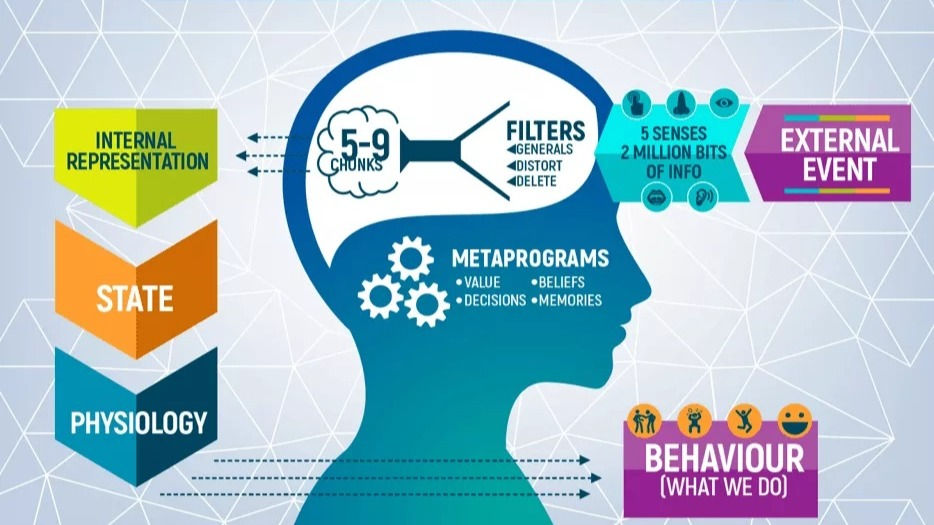
So often, difficult conversations are the most important ones because they can change the trajectory of someone's life, including your own. This change can often be for the better when the conversation is handled with care and consideration because something will come out of the conversation, some change. Because we all filter information differently, the meaning we give the conversation is crucial because it will influence our actions.
To be effective for all involved, there is a need to think beyond yourself and craft the conversation to aim for a win-win outcome.
Even going into the conversation with a different frame of mind, other than this will be difficult, can change the approach you take with a conversation. For example, research has shown that when you approach a difficult conversation and focus on yourself, your thoughts, your ideas, and your feelings, this can often backfire. To be effective for all involved, there is a need to think beyond yourself and craft the conversation to aim for a win-win outcome.
After a career spanning 40 years, which involved having many difficult conversations, I learned that by focusing on the other person involved, helping them navigate the conversation in a way that supported them to achieve an outcome that will enable them to move forward, all parties involved benefit.
Follow this 9-step framework to navigate effective conversations, which may also be challenging.

Step 1 Be timely in your approach.
Addressing the issue as soon as possible is crucial in minimising the degree of difficulty a conversation may bring. When a problem is handled promptly, you set a standard as a leader, showing respect for yourself and the people involved.
Step 2 Be clear on the purpose of the conversation.
Be clear on the issue or issues creating the need for the conversation. Aim to focus on one key point, even though there may be associated topics.
Step 3 Gain commitment to having the conversation.
Gain commitment and understanding of the need for the conversation. Establish a day, time and location if it is a business conversation.
Step 4 Plan with the Facts
Be objective and plan with facts regarding the issue to be discussed. Being fact-based supports you to be focused on the real issue at hand.
Step 5 Prepare your mindset.
Being a leader means doing the best you can with the resources you have to help others be the best they can be. If you feel uncomfortable about a difficult conversation, remind yourself it is not about you.
Step 6 Begin with standards.
When starting the conversation, acknowledge the other person for being there and agree on the standards for effective interaction.
Step 7 Listen to Understand
Being willing to listen to others reflects our emotional intelligence and thinking. If you are more left-brain, you will likely be analytical, logical, and rational. If you are more right-brain, you will likely be creative, spontaneous, and emotional. The critical thing to consider is what is the type of person you will be listening to.
Step 8 Respond with Integrity
Share with integrity and intent so that you can be understood. Integrity is the courage to act by your values and beliefs. The intent is about your motives, agendas, and behaviour. Trust can exist when there is no or low gap between your intention and behaviour.
Step 9 Aim for a win-win outcome
Ecology is about synergy, where everything is related to everything else. When situations are ecological, they are good for you, others, and the greater good. This is what a win-win is, you win, and so does the other person.
By following these nine steps, you will set yourself up as a leader willing to help others be the best they can be and embrace difficult conversations as a business and leadership opportunity.

If you would like to learn more about developing your leadership for difficult conversations, book a Free Strategy Session with a lead coach at Leaders Network.

Comments