
How To Influence Your Thinking To Create Results
- Claire White

- Feb 25, 2023
- 5 min read
Updated: Feb 27, 2023
To achieve what you want in business and in life we want to be curious into what we’re thinking about because our thinking creates everything in our lives!
Whatever you’re wanting to create in your life won’t just happen - you need to influence your life to make it happens and it all starts with your thinking.

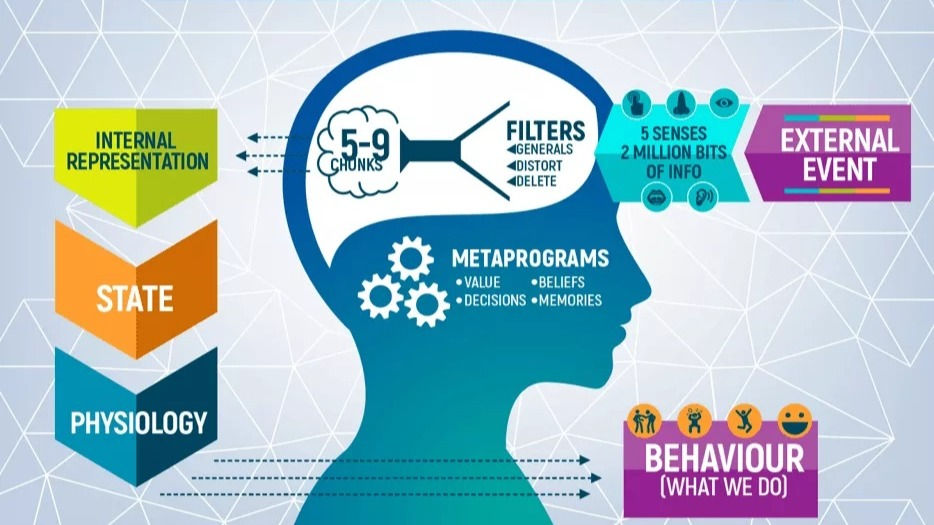
There are 4 major factors that influence our thinking and these are our decisions, beliefs, values and memories.
For example, when I was aspiring to be in senior leadership, I didn’t just think 'oh I would like that and it happened.' I used my thinking to make it happen.
o I thought lots about what would be required and how I could learn the skills I needed to hold such a position
o I made a decision that I wanted it
o I tapped into beliefs that it was possible (not that it wasn’t)
o I valued certain qualities including persistence, learning and dedication and
o I recalled memories I had that encouraged a sense of ‘I can do this' to support me and have the confidence it was achievable. These were examples of when I had sets goals and achieved them.
It didn’t just happen, I influenced or navigated my thinking to make it happen.
When we bring conscious awareness and deliberately navigate our thinking to work in favour of what we are wanting to create, then we increase the chance of creating it dramatically.
As Mahatma Gandhi said, “A man is but a product of his thoughts, what he thinks, he becomes”.
These 3 steps will help you to influence your thinking
1. Understand how your thinking develops.
2. Be aware of when it’s important to navigate your thinking
3. Apply strategies to influence your thinking
Step 1. Understand how your thinking develops.
Thinking essentially is the process by which we give things meaning. We pay attention to data from our external environment that links to our values, decisions, memories and beliefs and give it a meaning that aligns with these.
We have another blog that goes into more detail explaining how our thinking develops and what influences our thinking. Read blog here.
Step 2. Be aware of when it’s important to navigate your thinking
You could easily argue that it’s always important to navigate your thinking but I want to highlight some particular cues that you can pick up on that will signal to you that you might need to bring some real consciousness or deliberate concentration on what you are thinking about.
These are some of them and most if not all, will result in you not feeling the way you want to feel because you’ve given it a negative or limiting meaning.
You want to pay attention…..
when you notice you have been triggered or impacted in some negative way.
when you feel you are in a mood or a ‘funk’ - you all know what these times are for you.
when you are focussing on things you can’t control
when you are operating automatically and don’t give conscious thought to things and just go with your automatic thoughts
when you regret what you just did
These are all great triggers to know when you have to really focus your thinking!
Step 3. Apply strategies to influence your thinking
When we want to change our thinking, we use strategies to do so.
Strategies are merely a series of steps that equal a behaviour. We have strategies for everything: for brushing our teeth, to reacting when someone says something offensive etc. We have strategies for everything. Most of our strategies are on auto-pilot and they just happen automatically.
When we want to create a certain outcome or change the way we deal with things, then it’s a matter of changing our strategies. Our current strategies are equally our current results, so if we change the strategy, we change the result.
All actions commence with a thought.
In Step 3 we are looking at what strategies can be created or used to create your ideal outcomes by focussing on thoughts that will create these outcomes.
The focus is on creating strategies that get us responding rather than reacting. The difference being that when we respond we are choosing what we focus on as opposed to reacting which is automatic.
A strategy includes the following: A trigger (somewhat we see, touch, taste, smell or hear that kickstarts the strategy) - a series of steps - (which results in) an outcome.

Here’s an example of a strategy for going to sleep.
Trigger: see on phone it’s 9.30pm
Series of steps/actions: floss and brush teeth - put phone and watch on charger - turn out lights
Outcome: go to sleep.
If you have a goal you want to achieve, then create a strategy that will create that result.
What prevents many people from achieving their goals is being impacted or reacting to situations or people and not having strategies to apply at these times.
Here are some ideas to include as one of the steps in your strategy especially if you find yourself creating undesirable outcomes.
1. Pause and take a breath. This can interrupt default unconscious behaviours and calm you down as it activates the parasympathetic nervous system, which sends a signal to that you're fine and don't need to use the fight, flight, or freeze response. It also helps get more oxygen to the thinking brain.
2. Choose the meaning you want to give it. Ask yourself ‘what meaning will create a great outcome for me?’ The choice you make is a decision. This also encourages you to connect with your values and what’s important to you. It may give you the opportunity to recall a memory or experience of what has created a successful outcome in the past. It can help you decide a good belief to connect to at this time e.g. I treat everyone with respect and kindness.
3. Stop and fast forward to the possible outcome if you can. This particular process is used to support people with anxiety to help them connect to the calmness once the thing or situation has resolved to support the entering into and staying focused on the positive outcome. Literally fast forward yourself going through the motions to reach the desired outcome.
4. Remove yourself from the situation - physically or mentally or both. This is to give you space to self-regulate and think and operate with consciousness.
We all have strategies that are not creating the results we want.
We are going to be impacted often, when we have strategies and we stay focussed on our goals and what we are creating then we set ourselves us not to be deterred.
If you are wanting support to influence your own thinking and develop strategies that achieve your goals, book in for a Free Strategy Session with a lead coach at Leaders Network.
Comments